Nikhil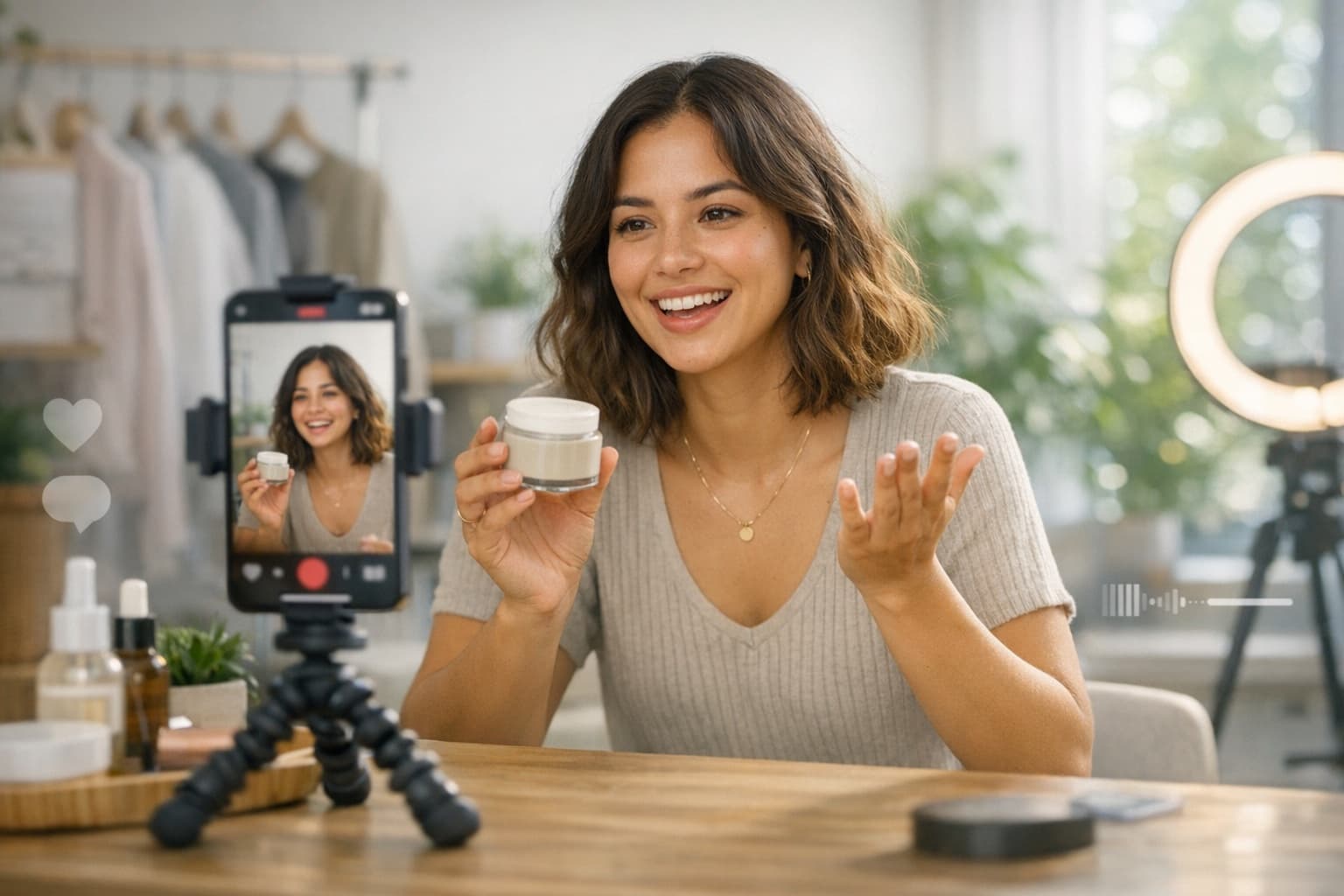
UGC advertising (user-generated content advertising) is one of the most effective growth levers in performance marketing right now. Instead of polished studio commercials, brands run ads built from authentic creator-style videos, customer testimonials, product demos, and real-world social content.
In 2026, the winning formula is clear: ads that feel native beat ads that feel produced. If your ad looks like regular feed content, it usually gets better engagement, stronger watch time, and more efficient conversions.
In this guide, you'll learn:
- What UGC advertising means
- What UGC ads are (and how they differ from organic UGC)
- UGC ads vs traditional ads vs influencer campaigns
- Why UGC ads convert better
- How to create high-performing UGC ad campaigns
- Script templates, platform formats, tools, and common mistakes
1. What Is UGC Advertising? Meaning and Definition
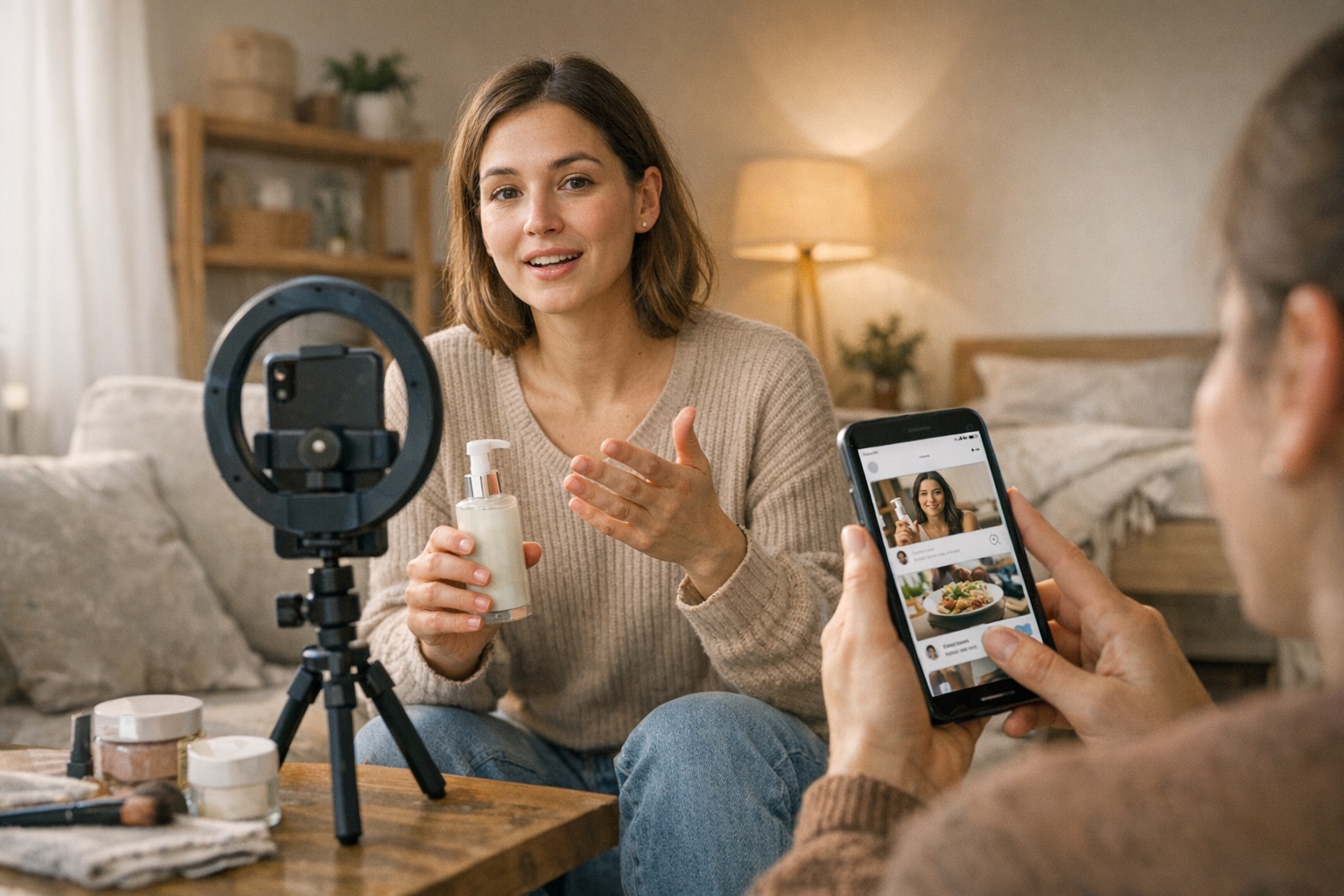
User-generated content advertising is paid advertising that uses content created by real users, customers, or creator-style talent instead of classic in-house studio production.
Typical UGC ad formats include:
- Product testimonials
- Unboxing reactions
- Before-and-after clips
- First-person product demos
- Lifestyle "day in the life" integrations
The core advantage is authenticity. UGC ads look and feel like native social content, so audiences treat them less like interruptions and more like recommendations.
2. What Are UGC Ads? (Simple Clarification)
UGC ads are paid media creatives powered by user-style content.
- UGC ads: Paid ads run from the brand ad account
- Organic UGC: Unpaid customer content posted naturally
- Creator-style UGC ads: Brand-owned creative that mimics native user content
In plain terms: UGC ads are performance ads that look like organic posts.
3. UGC Ads vs Traditional Ads
| Feature | Traditional Ads | UGC Ads |
|---|---|---|
| Production Cost | High | Lower |
| Speed to Launch | Slow (weeks) | Fast (hours or days) |
| Authenticity | Lower | Higher |
| Audience Trust | Moderate | High |
| Creative Testing Volume | Limited | High |
| Feed Native Feel | Often low | Strong |
UGC advertising gives brands faster testing cycles and more creative volume without expensive studio bottlenecks.
4. UGC Ads vs Influencer Marketing
UGC advertising and influencer marketing are related but not the same.
| UGC Ads | Influencer Campaigns |
|---|---|
| Content can be sourced from customers or creators | Content is tied to specific influencers |
| Brand runs ads from its own ad account | Often published on influencer channels |
| Direct response and conversion focused | Often awareness and reach focused |
| Usually lower creative cost per variation | Often higher campaign cost |

5. Why UGC Advertising Works in 2026
UGC ad performance improves because of both psychology and platform mechanics.
Psychology
- People trust people more than polished brand messaging
- Real reactions feel more credible than scripted commercials
- Conversational framing reduces resistance to ad messages
Platform dynamics
- Native-looking content often earns better engagement signals
- Better engagement can improve distribution efficiency
- Higher relevance typically lowers acquisition cost over time
6. How To Create High-Performing UGC Ads (Step-by-Step)
Step 1: Source authentic footage
Use customer submissions, creator briefs, or AI-generated UGC-style creatives.
Step 2: Select strong moments
Prioritize clips with immediate clarity, emotion, and product context.
Step 3: Add hook + benefit + CTA
The first 3 seconds decide whether users keep watching.
Hook examples:
- "I thought this was overhyped until I tried it..."
- "If you're struggling with [problem], watch this..."
- "This saved me [time/money] in one week..."
Need hooks and full scripts quickly? Use AI Script Generator or UGC Script Generator.
Step 4: Adapt by placement
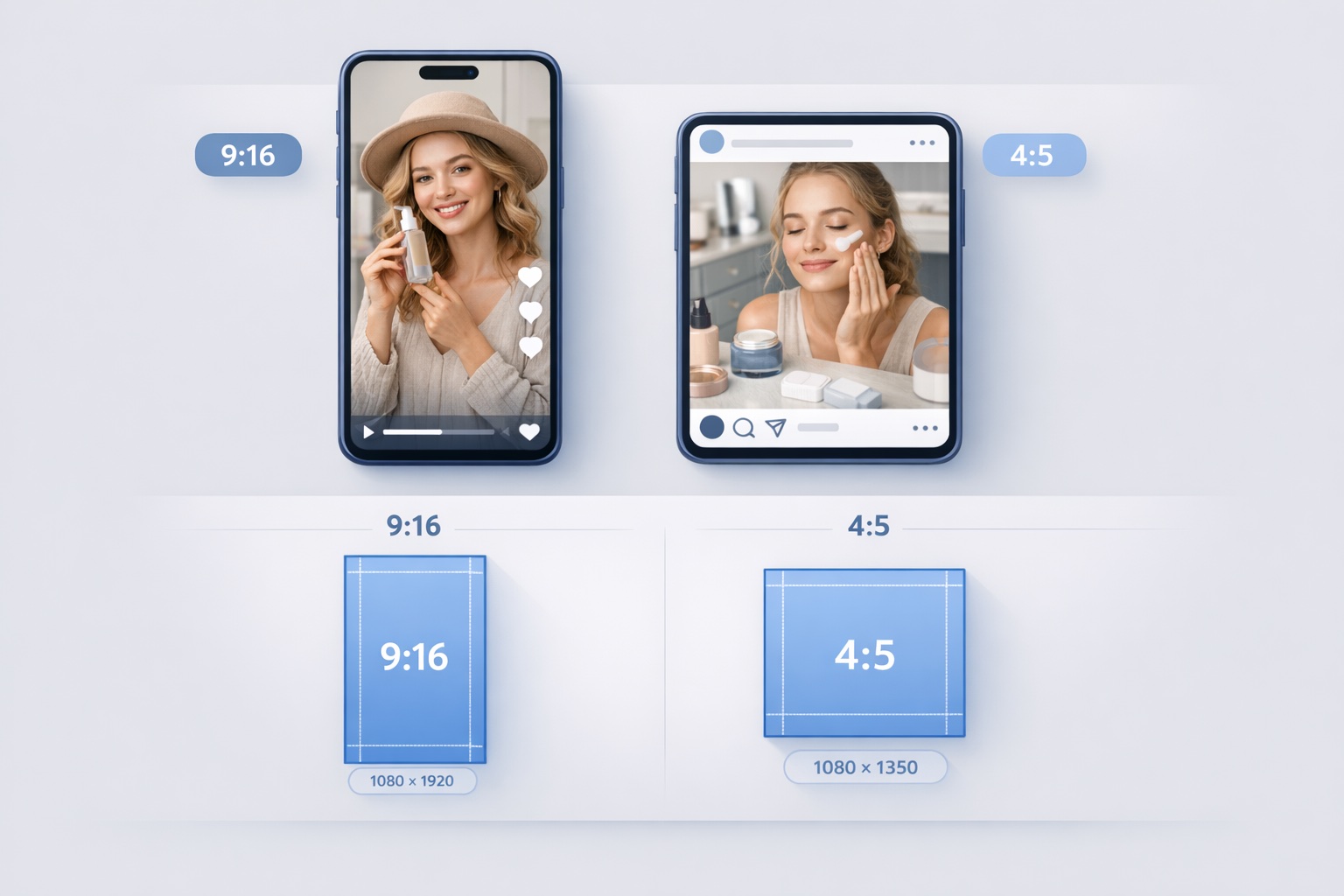
- TikTok/Reels/Shorts: 9:16 vertical
- Meta Feed: 4:5 or 1:1
- Always-on subtitles and clean on-screen text
Step 5: Test multiple variations
Test different hooks, opening visuals, and CTAs. Keep winners, refresh losers fast.
7. UGC Ad Examples That Convert by Platform
TikTok UGC ads
- Format: fast-cut vertical, creator voice
- Why it works: feels native to For You feed behavior
Meta (Facebook/Instagram) UGC ads
- Format: 4:5 or 9:16 with captions and benefit overlays
- Why it works: clear problem-solution storytelling
Instagram Reels UGC ads
- Format: lifestyle + short narrative + caption-driven
- Why it works: high save/share behavior when value is clear
YouTube Shorts UGC ads
- Format: educational or demonstrative short-form video
- Why it works: stronger retention when structure is clear
8. UGC Ad Script Templates (Ready to Use)
Curiosity hook
"I didn't think this would work... but after 7 days, I was genuinely surprised. If you're dealing with [problem], this is worth testing."
Problem -> solution
"I kept struggling with [problem]. Then I tried [product], and here is exactly what changed in my routine."
Before and after
"Before this, [state]. After one week using [product], [outcome]. The difference is obvious."
For faster iteration, generate multiple script angles directly inside HighReach Asset Generator.
9. Best Platforms and Formats for UGC Ads
| Platform | Recommended Format | Notes |
|---|---|---|
| TikTok | 9:16 | Hook inside first 1-3 seconds |
| Meta Feed | 4:5 | Text overlay + clear CTA |
| Instagram Reels | 9:16 | Strong opening + subtitles |
| YouTube Shorts | 9:16 | Retention-focused pacing |
10. Tools To Scale UGC Advertising Faster
Modern teams use AI workflows to increase creative velocity:
- URL to Ad: turn product URLs into ad concepts
- UGC Video Ads: generate creator-style ad variations
- Asset Generator: create image + video assets in one workflow
- Stock Avatars: add ready-made AI presenters
- Lip Sync AI: sync scripts and voice naturally
11. Common UGC Ad Mistakes to Avoid
- No clear hook in first 3 seconds
- Weak visual proof or unclear product context
- Reusing one creative unchanged across all platforms
- Missing captions for sound-off viewing
- Wrong aspect ratios for placement
- No creative testing cadence
| Mistake | Why It Hurts Performance | Better Fix |
|---|---|---|
| No clear hook in first 3 seconds | Users scroll before understanding the value | Lead with a bold problem, claim, or curiosity hook in second 1 |
| Weak visual proof or unclear context | Low trust and low watch-through | Show product use, outcome, or transformation immediately |
| Same creative on every platform | Native feel drops and relevance declines | Adapt edit style, pacing, and framing per placement |
| Missing captions for sound-off viewers | Message is lost for muted autoplay traffic | Add clean burned-in captions and key text overlays |
| Wrong aspect ratios | Cropped frames and reduced feed impact | Use 9:16 for Shorts/Reels/TikTok and 4:5 for Meta feed |
| No creative testing cadence | Winners fatigue and CPA rises over time | Run weekly hook/angle tests and rotate fresh variants |
Frequently Asked Questions
What are UGC ads?
UGC ads are paid ads built from user-generated or creator-style content rather than polished studio commercials.
How does UGC advertising work?
Brands source creator-like content, optimize it for each platform, then run it as paid media to drive clicks, leads, or sales.
Are UGC ads effective for ecommerce?
Yes. UGC ad campaigns are widely used in ecommerce because they improve authenticity, increase click-through rates, and support faster creative testing.
How long should UGC videos be?
For most placements, 15-30 seconds works best. Some educational Shorts can stretch longer if retention remains high.
Do UGC ads need captions?
Yes. A large share of social video is watched on mute, so captions are essential for comprehension and conversion.
Can brands pay customers or creators for UGC?
Yes. Brands often compensate with fees, discounts, free products, or affiliate structures.
UGC ads vs influencer marketing: what's the difference?
UGC advertising is primarily about creative assets you control and run from your own ad account. Influencer campaigns are usually built around renting distribution from creator audiences.
Can AI generate UGC ads?
Yes. AI can generate UGC-style scripts, visuals, avatar presenters, and ad variations at scale.
Which aspect ratio is best for UGC video ads?
9:16 is the default for TikTok, Reels, and Shorts. For Meta Feed, 4:5 is still very effective.
How many UGC ad variations should I test?
A strong starting point is 5-10 creative variations per product angle, then expand winners.
Understanding UGC Advertising (SEO Summary)
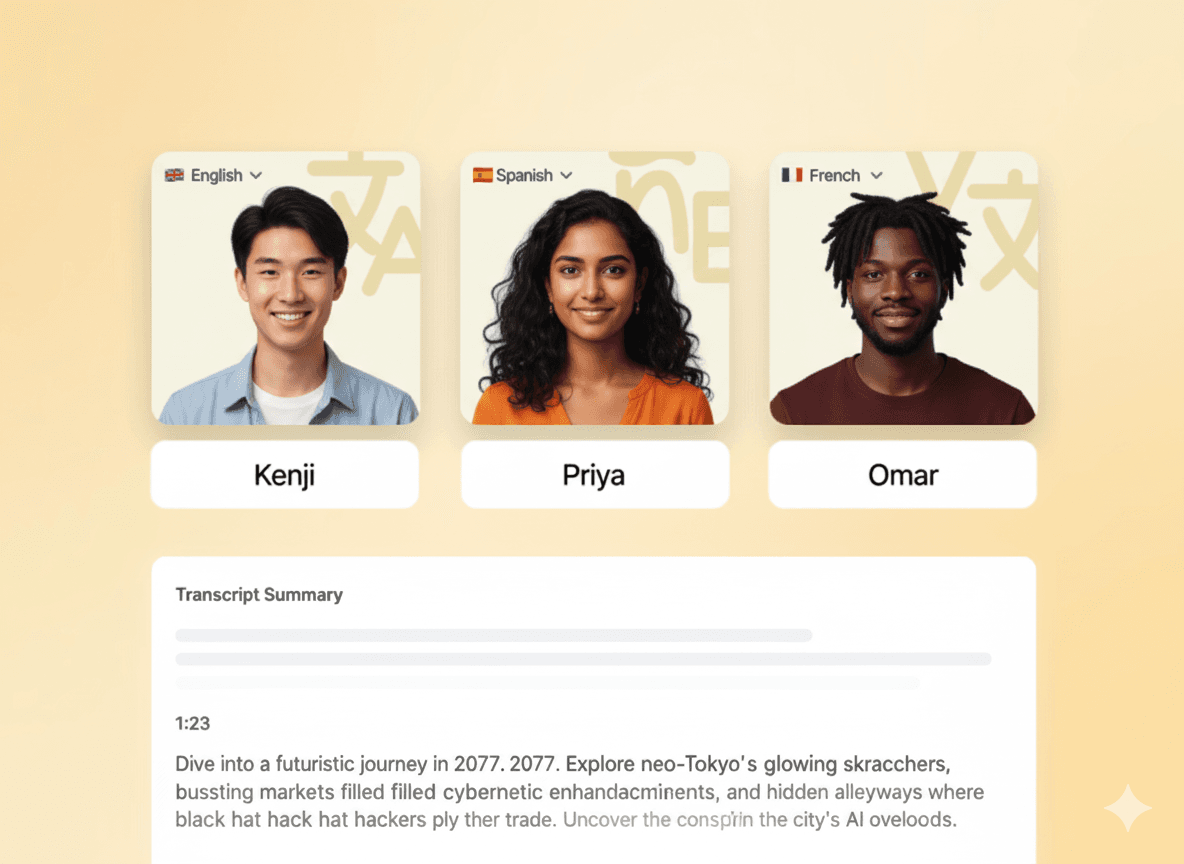
User-generated content advertising is the use of authentic creator-style videos, testimonials, and product experiences as paid ad creative. Instead of relying on high-cost studio production, brands can launch UGC ad campaigns that match the native feed experience on TikTok, Instagram Reels, Meta, and YouTube Shorts. This improves trust, engagement, and performance efficiency. With AI workflows, marketers can now produce UGC video ads, script hooks, ad variations, and multilingual creative assets in minutes.
Final Takeaway
If you want better ad performance in 2026, creative authenticity and testing speed matter more than polished production.
UGC advertising helps you:
- Launch faster
- Test more angles
- Lower creative costs
- Improve trust and conversions
If you want to build this workflow end to end, start with:
Then move from script to creative to campaign launch without waiting on production cycles.