Nikhil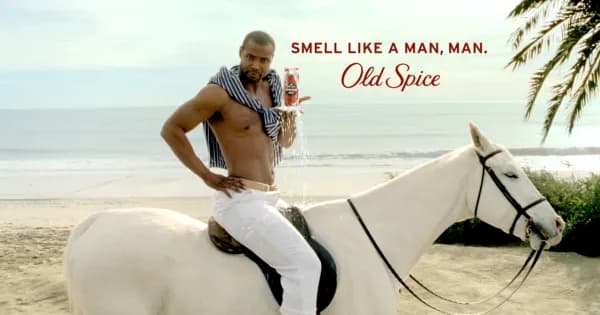
Persuasive advertising isn't just about selling products. It's about telling stories, creating emotional connections, and embedding ideas into culture. The most iconic commercials don't just promote brands. They influence how people think and feel, making them timeless teaching moments for marketers everywhere.
Below are some of the most persuasive ad campaigns of all time, with short explanations of why they work and, where possible, links to the actual videos.
Old Spice — "The Man Your Man Could Smell Like" (2010)
One of the most memorable ad campaigns of the 2010s, this spot uses humor, confident delivery, and absurd visuals to make a big impression in just 30 seconds. Starring Isaiah Mustafa, the ad revitalized Old Spice's brand and helped boost sales substantially.
Watch more examples: Old Spice Man Commercials Playlist
Why it's persuasive:
- Humor combined with charismatic delivery makes it memorable
- Breaks stereotypes about men's grooming
- Strong visual narrative keeps attention throughout
The campaign didn't just sell body wash. It created a character and personality that people wanted to associate with. That's persuasive advertising at its best.
Apple — "1984" (Macintosh Commercial)
Often called the ad that changed advertising, Apple's 1984 Super Bowl commercial didn't show the product at all. Instead, it used storytelling and cinematic style to position Apple as a rebel breaking conformity.
The ad referenced George Orwell's novel and showed Apple as the antidote to Big Brother, positioning the Macintosh launch as a revolution rather than just another computer release.
Why it's persuasive:
- Story of conformity versus innovation
- Emotional symbolism (freedom versus control)
- Created massive buzz around the launch
This commercial proved that you don't need to show your product to sell it. Sometimes the story around the product is more powerful than the product itself.
Dove — "Real Beauty Sketches & Evolution"
Dove's campaign focused on real women's self-perceptions, not just selling soap. The 2013 "Real Beauty Sketches" short film went viral, making people rethink their own self-image and spreading powerful emotional resonance.
Why it's persuasive:
- Powerful emotional appeal
- Subverts traditional beauty standards
- Encourages sharing and discussion
This campaign worked because it tapped into something deeper than product features. It addressed a real insecurity and positioned Dove as understanding and empathetic.
Budweiser — "Budweiser Frogs"
Simple but genius: three frogs croak out "Bud," "Weis," and "Er," spelling out the brand name unexpectedly. This spot became one of the most remembered Super Bowl ads ever, proving that creativity and simplicity can outperform complex storytelling.
Why it's persuasive:
- Uses humor and absurdity
- Very easy to recall
- Highly shareable
Sometimes the simplest ideas are the most effective. The Budweiser Frogs didn't need a complex narrative or emotional arc. They just needed to be memorable.
Guinness — "Surfer"
A masterful example of metaphor-heavy advertising, Guinness' 1999 "Surfer" ad used stunning visuals, intense rhythm, and a powerful metaphor to connect the feel of riding a wave with the experience of drinking Guinness.
The tagline "Good things come to those who wait" perfectly matched the slow pour and settling process that Guinness is known for.
Why it's persuasive:
- Beautiful, almost cinematic execution
- Strong metaphor deepens emotional impact
- Memorable music and pacing
This ad elevated beer advertising from product shots and party scenes to genuine art. It created an aspirational feeling around the brand.
Super Bowl Favorites & Viral Hits
Super Bowl commercials often aim for maximum impact. Some of the most influential ads ever broadcast include:
Volkswagen — "The Force" A young boy dressed as Darth Vader tries to use the Force on various household items. When dad comes home with the new VW, the remote start makes it look like the kid's Force powers actually worked. Simple, cute, and effective.
Snickers — "You're Not You When You're Hungry" The Betty White version of this campaign became legendary. The concept was simple but executed perfectly, showing how hunger changes people's behavior.
Budweiser — "Wassup!" A simple social phrase that became cultural. This ad worked because it captured how real friends actually talk to each other, making the brand feel authentic and relatable.
E*Trade — "Talking Babies" Odd but unforgettable. These commercials used absurdist humor to make financial services seem approachable and interesting, which isn't easy to pull off.
These spots combine familiarity with surprise, humor, and emotional connection in ways that make them stick in viewers' minds long after they air.
What Makes These Ads Persuasive?
Persuasive ads have a few key traits in common:
Emotional Connection
Ads like Dove's "Real Beauty" make people feel something: empathy, pride, nostalgia. That feeling sticks with the brand. People don't remember facts and features. They remember how something made them feel.
Humor & Surprise
Ads like Old Spice and Budweiser Frogs use humor and unexpected twists to hold our attention and make us remember them. When something makes us laugh or surprises us, we're more likely to share it and talk about it.
Storytelling
Apple's "1984" didn't show a product. It told a story that positioned the brand as unique and disruptive. People are wired for stories because they help us make sense of information and remember it longer.
Simplicity & Memorability
Some of the best ads are simple. A phrase ("Wassup!") or a concept (three frogs) that sticks with viewers long after they watch. Complexity isn't always better. Sometimes the simplest idea is the most powerful.
Cultural Relevance
Great commercials tap into cultural trends, shared experiences, or universal emotions, making them socially shareable as well. They feel timely and relevant, which makes people want to pass them along.
Final Thoughts
From iconic Super Bowl commercials to emotionally charged campaign videos, these ads show that the best persuasion doesn't just present a product. It connects emotionally, surprises the viewer, and stays with them.
Whether you're planning your next marketing campaign or studying advertising psychology, these examples offer timeless lessons on how to make messages stick, resonate, and inspire action.
The common thread through all these persuasive ads is that they understand their audience deeply. They know what makes people laugh, what makes them feel, and what makes them remember. That's the real secret to persuasive advertising.
Create Your Own Persuasive Ads with HighReach
The advertising landscape has changed. While these iconic commercials required massive production budgets, teams of creatives, and celebrity endorsements, today's most effective ads are often casual, authentic, and user-generated.
Modern digital marketing has proven that goofy, relatable UGC-style content often outperforms polished big-budget productions. TikTok, Instagram Reels, and YouTube Shorts thrive on authenticity, not perfection. Consumers trust real people over scripted celebrities, and informal storytelling beats overproduced corporate messaging.
The good news? You don't need a Super Bowl budget or a film crew to create persuasive video ads anymore.
Looking to create your own persuasive video ads? HighReach helps you generate UGC-style video ads optimized for social platforms using generative AI. No filming, no actors, no production costs required.
With HighReach, you can:
- Generate memorable video ads in minutes, not weeks
- Create authentic UGC-style content that feels human and relatable
- Test multiple creative angles and hooks without expensive reshoots
- Produce scroll-stopping ads optimized for TikTok, Reels, and Shorts
The persuasive principles from these iconic ads still apply: humor, storytelling, emotional connection, and simplicity. But now, instead of spending hundreds of thousands on production, you can create equally persuasive content using AI, iterate faster, and reach your audience where they actually spend time: on social media.
Ready to create ads that stick? Start free with HighReach →
Watch More Persuasive Ads
Explore more classic examples: