Creators
Repurpose one idea into many formats
Turn one core message into captions, ad copy, and email variants.
✨ Create Stunning Videos with AI! Access Kling 3.0, Seedance, Veo, Flux, Nano Banana and more in one platform. Start Creating
Generate compelling, SEO-optimized meta descriptions that improve your click-through rates from search engine results.
HighReach
Turn ideas, images, and clips into professional-quality videos in minutes.
Get Started For FreeNo credit card required
Provide your page URL or topic, target keyword, and a brief summary of what the page covers.
Choose a tone that matches your brand — professional, conversational, persuasive, or informational.
Receive multiple meta description options within the ideal character count, ready to add to your page.
Meta Description Generator can generate multiple styles and lengths so you can ship faster while keeping message-to-audience fit high.
| Mode | Best For | Length | Optimization Focus |
|---|---|---|---|
| Short-form | Hooks, captions, and replies | 1-4 lines | Scroll-stop clarity |
| Persuasive | Ads and conversion messaging | 4-8 lines | Benefit + CTA strength |
| Professional | Email and B2B communication | 6-12 lines | Credibility and structure |
| Variant Batch | A/B testing and ideation | 3-10 versions | Speed of experimentation |
Treat generated outputs as drafts. Run brand, legal, and factual review before publishing externally.
Creators
Turn one core message into captions, ad copy, and email variants.
Community Managers
Generate high-context responses with reduced turnaround time.
Support Teams
Create clear, empathetic templates for high-volume customer conversations.
Paid Social Teams
Produce angle-specific messaging for A/B tests without writing each version manually.
Founders
Draft launch updates, replies, and campaign copy in minutes.
Agencies
Create faster draft options while preserving strategic positioning.
B2B Marketers
Create structured outputs aligned with sales-cycle stage and audience sophistication.
Content Marketers
Move from blank page to publish-ready copy with faster ideation cycles.
Optimization Playbook
Use these meta description generator optimization tactics to improve consistency, output quality, and execution speed.
Batch similar tasks to reduce setup time and improve consistency.
Provide one good example to anchor style and structure.
Use channel-specific formatting so outputs match destination requirements.
Include target audience, tone, and CTA in your prompt for stronger copy.
Perform a quick QA pass for accuracy, tone, and compliance before release.
Keep source files or original inputs before making final edits.
Use clear inputs and explicit outcome goals before generating results.
Generate short, medium, and long variants for channel testing.
Cut weak openers and keep first lines high-impact.
Use Description as a context cue when drafting niche content.
Try these solutions:
Processing happens server-side for reliable performance on modern desktop and mobile browsers.
Desktop Browsers
Mobile Browsers
Your Privacy Matters: We process inputs to generate outputs and do not require social or platform account credentials for standard tool usage.
Secure by Design: Connections use SSL/TLS encryption and tool processing runs through secure infrastructure.
Legal Responsibility: Use each tool only for lawful workflows and for content/data you are authorized to process under applicable regulations and platform terms.
DISCLAIMER OF LIABILITY: This service is provided as-is without warranties. Users are solely responsible for lawful usage and authorization of all processed content.
Meta Description Generator is a free online tool built to streamline Meta workflows with fast, practical outputs for creators, marketers, and operators.
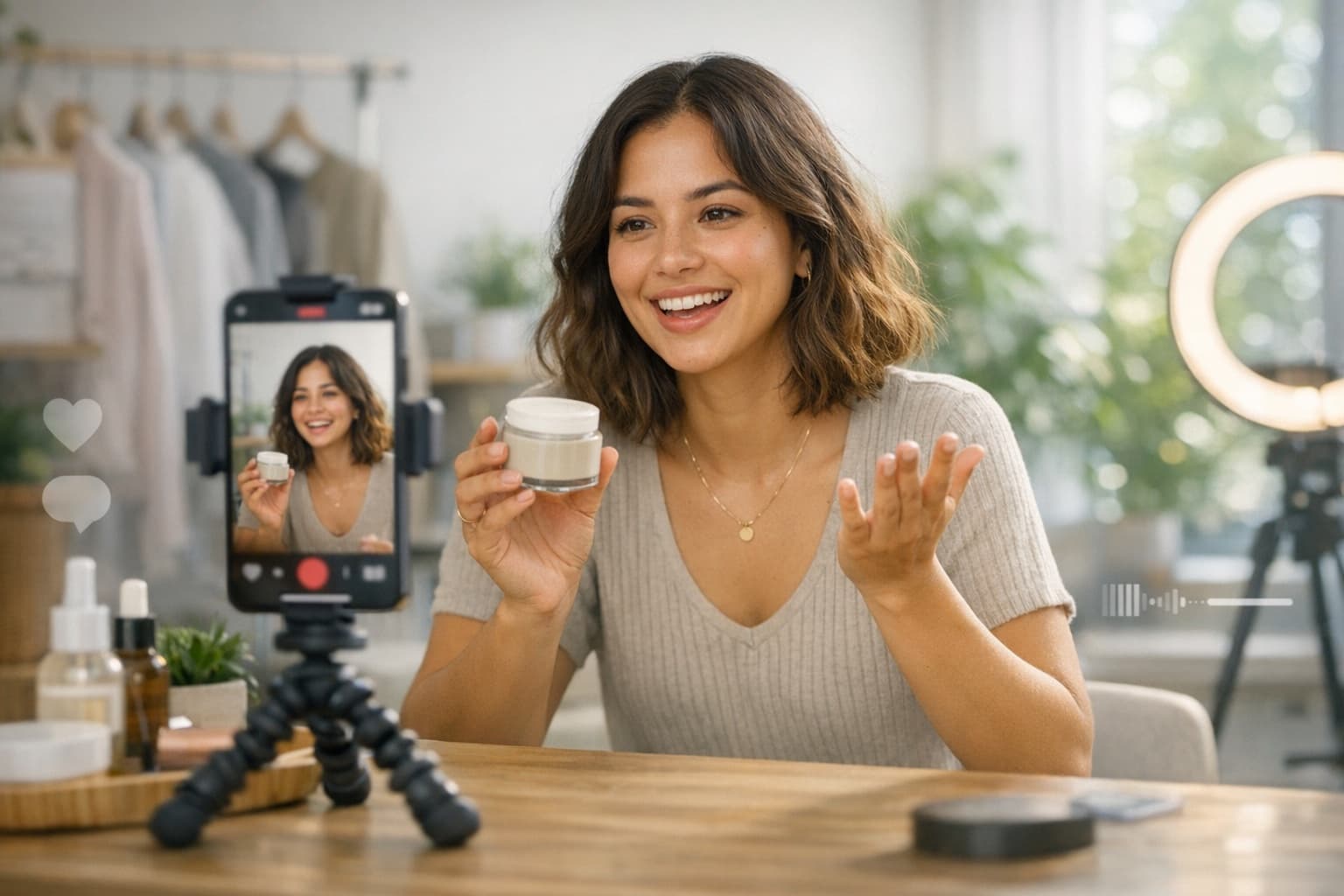
Learn how to generate better ads with AI using practical examples, optimization frameworks, and campaign testing playbooks.
Complete 2026 Guide (Examples, Templates, Tools)
Read article

Explore more HighReach studio tools across video, image, avatar, and audio creation.

Create, edit, lip-sync, and direct motion-rich videos from one workspace.
Open tool
Generate, expand, edit, and upscale campaign-ready images in one place.
Open tool
Create voice overs, music, dubbing, and sound effects without leaving the studio.
Open toolAnimate product shots, references, and still frames into polished short clips.
Open tool
Generate fresh video scenes directly from prompts and style direction.
Open tool
Re-render existing clips with prompt-based changes and creative direction.
Open tool
Swap the on-screen subject while keeping motion, camera, and scene structure.
Open tool
Turn a speaker image plus audio into a talking-avatar or presenter clip.
Open tool
Drive motion from reference footage for controlled, repeatable outputs.
Open tool
Generate product visuals, editorial images, and concept frames with AI models.
Open toolPrompt-edit one image into multiple refined creative variations.
Open toolGenerate studio-ready narration for explainers, promos, and product videos.
Open toolGenerate image, video, and UGC ads in minutes with HighReach.
No credit card required